
Why Preparing Surfaces Is Vital for Successful Paint Jobs
Painting the exterior of a building can transform its appearance. However, without proper preparation, the paint job may not last. The effectiveness of surface preparation impacts the durability and look of the final result. It is crucial to spend time on this step to ensure the paint adheres well and provides protection against weather elements.
The Role of Cleaning in Painting Success
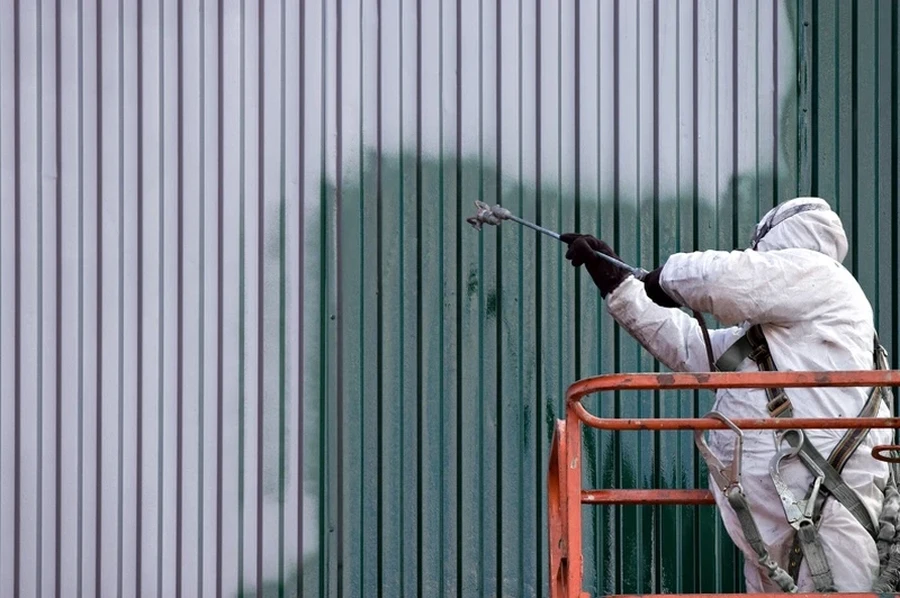
Before any paint touches a surface, thorough cleaning is essential. Dirt, grease, and old paint residues can prevent new paint from sticking properly. For successful exterior painting, it’s necessary to wash surfaces with soap and water or use pressure washing for stubborn grime. This step ensures that you start with a clean base, allowing the new coat of paint to adhere better and last longer.
Repairing Damaged Areas Before Painting
To achieve a smooth finish, fix any damaged areas before applying paint. Cracks, holes, and peeling spots disrupt the surface and affect the overall look. Successful exterior painting requires addressing these imperfections first. Use fillers or patches to mend these areas. Sand them down once dry to create an even surface ready for priming.
The Necessity of Priming Surfaces
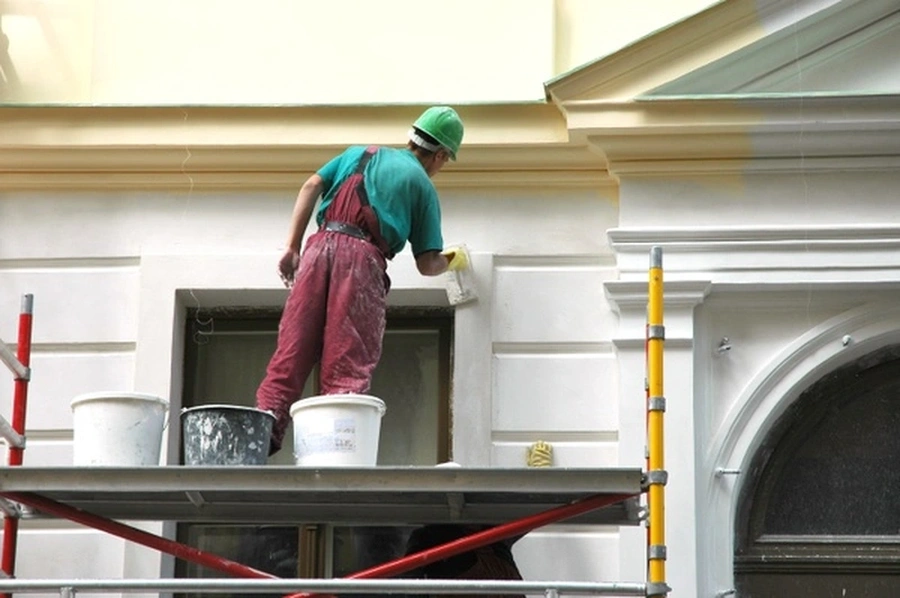
Primers serve as a foundation layer between the surface and the paint. They help the paint bond better and provide a uniform color base, especially when covering dark colors or stains. Priming is a critical step that cannot be skipped if you aim for professional-looking results. It seals porous surfaces and enhances the paint’s longevity by protecting it from moisture and UV rays.
Benefits of Investing Time in Preparation
- Improves paint adhesion and coverage
- Prevents future peeling or cracking
- Extends the life of the paint job
- Enhances aesthetic appeal
Common Mistakes in Surface Preparation
Skipping steps or rushing through preparation can lead to costly mistakes. One frequent error is neglecting to remove old, loose paint, which leads to uneven application and early flaking. Another common mistake is failing to sand rough areas, resulting in an unsmooth finish. Taking shortcuts might save time now but can cause problems later.
How to Approach Surface Preparation
- Inspect the area for damage and cleanliness.
- Clean thoroughly using appropriate methods.
- Repair any cracks or holes found.
- Sand surfaces to create a smooth texture.
- Apply primer evenly before painting.
Tips for Achieving Long-Lasting Results
An informed approach can yield a more durable paint job. Choose quality materials designed for your specific needs. Consider weather conditions in your region when selecting products, as some paints are formulated to withstand extreme temperatures or humidity levels. Working with skilled professionals also ensures that every part of the process is handled correctly.
Estimating Costs for Quality Preparation
The cost of preparing surfaces can vary based on factors like size, condition, and material type. While initial expenses may seem high, investing in quality preparation saves money over time by reducing maintenance needs and extending the life of the paint. Consider this investment not just as a cost but as added value to your property.
Your Path to Flawless Painting Begins Here
A well-prepared surface is key to a successful and long-lasting paint job. By focusing on cleaning, repairing, and priming, you ensure that your efforts will pay off. At Gabriel’s Painting & more, we prioritize comprehensive preparation to deliver exceptional results. Call us at (336) 467-8699 for expert advice tailored to your needs. Located in Yadkinville, NC, our team is ready to assist you with all aspects of your project.