The Importance of Preparing Your Surface With Proper Cleaning Methods
Before painting any surface, it’s crucial to ensure that it is clean and free from contaminants. This step helps in achieving a smooth and long-lasting finish. One effective method to prepare surfaces is through pressure washing. This technique not only cleans but also aids in removing old paint, grime, and mold. When done correctly, pressure washing provides a clean slate for new paint to adhere better, enhancing the durability and appearance of the final results.
The Role of High-Pressure Cleaning in Preparation
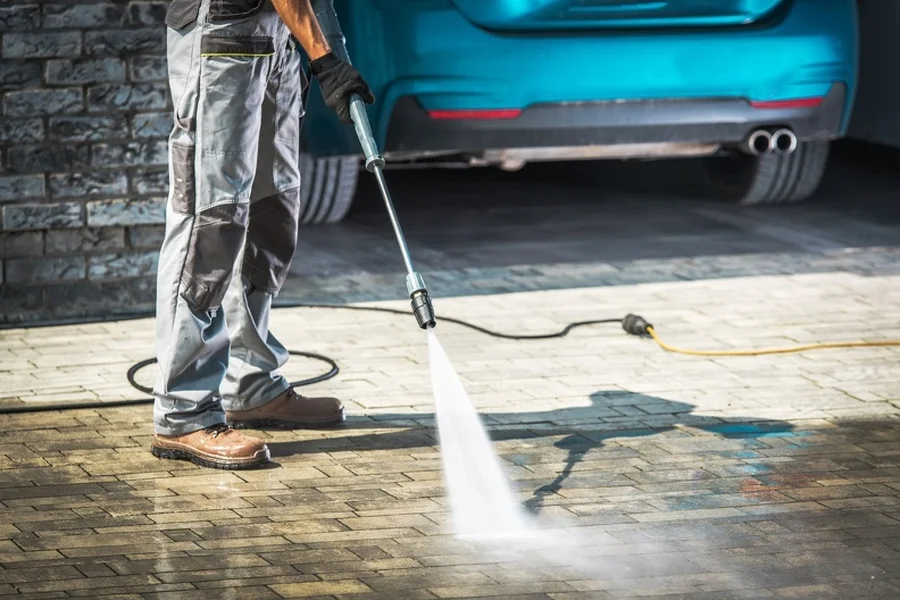
High-pressure cleaning plays an essential role in preparing surfaces for painting by eliminating stubborn dirt and debris. The force exerted by the water removes elements that might interfere with paint adhesion. By using pressure washing services, you ensure every nook and cranny is cleaned effectively, which can be challenging with traditional methods.
Benefits of Using Professional Services
When considering pressure washing as part of your preparation process, hiring professionals often delivers the best results. Trained experts have access to industrial-grade equipment that increases efficiency while minimizing risks of damage. Many companies offering pressure washing services use environmentally friendly solutions to break down grease and grime without leaving harmful residues behind.
Common Challenges in Surface Preparation
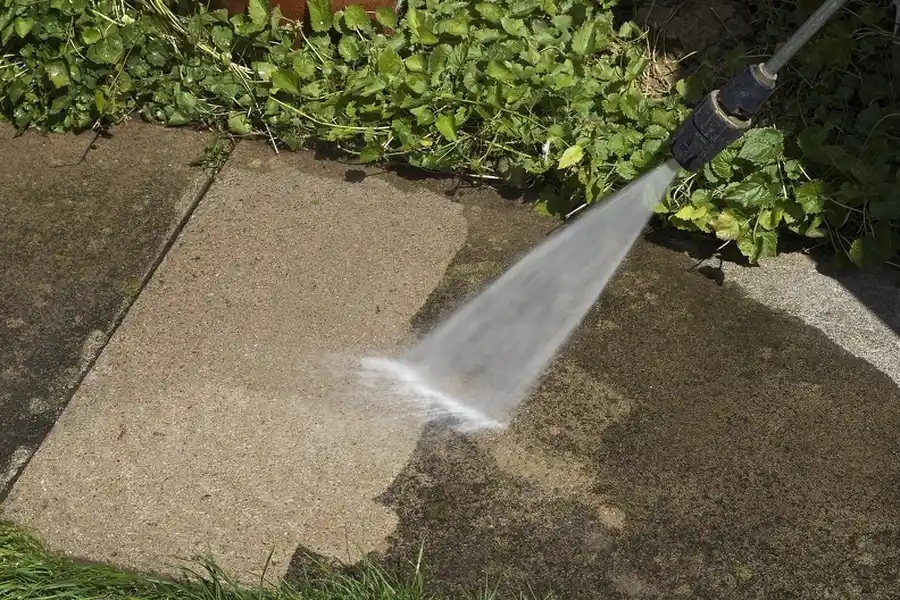
One of the most common challenges during surface preparation is dealing with uneven or rough areas. These spots can lead to poor paint application if not addressed properly. Additionally, incorrect pressure settings during washing can cause damage to delicate surfaces such as wood or older structures. Understanding how much pressure each surface type can withstand is critical to avoid costly repairs.
Steps to Effective Pressure Washing
- Assess the surface condition: Determine what needs cleaning and check for any damages beforehand.
- Select appropriate equipment: Choose the correct pressure washer and nozzle for the job.
- Protect surrounding areas: Cover plants and nearby items to shield them from overspray.
- Apply detergent: Use eco-friendly cleaners tailored for specific surfaces.
- Rinse thoroughly: Ensure all soap residue is washed away before letting the area dry.
Expert Tips for Best Results
For optimal results, consider scheduling your pressure washing on a mild, sunny day. This allows the surface to dry quickly, preventing moisture-related issues like mildew growth. Always start from the top and work your way down to avoid streaks and cover large sections efficiently. Regular maintenance washes can help maintain clean surfaces, prolonging the life of exterior paints.
Industry Standards and Requirements
The industry has established several standards to ensure safe and effective pressure washing practices. Key guidelines include maintaining equipment regularly, using suitable personal protective gear, and operating machines under recommended pressure levels for different materials. Compliance with these standards ensures quality outcomes and minimizes accidents.
Understanding Cost Considerations
The cost of pressure washing varies based on factors like size, complexity, and material of the surface being cleaned. While DIY options may seem cheaper upfront, professional services offer value through specialized expertise and efficient cleaning techniques. Investing in quality service can save you money on potential repainting or repair costs due to improper prep work.
Your Trusted Partner for Surface Preparation
Choose Gabriel’s Painting & more for reliable surface preparation solutions. Our team in Yadkinville, NC is committed to delivering exceptional results tailored to your needs. Contact us at (336) 467-8699 for more information about our comprehensive offerings and how we can assist with your next painting project.